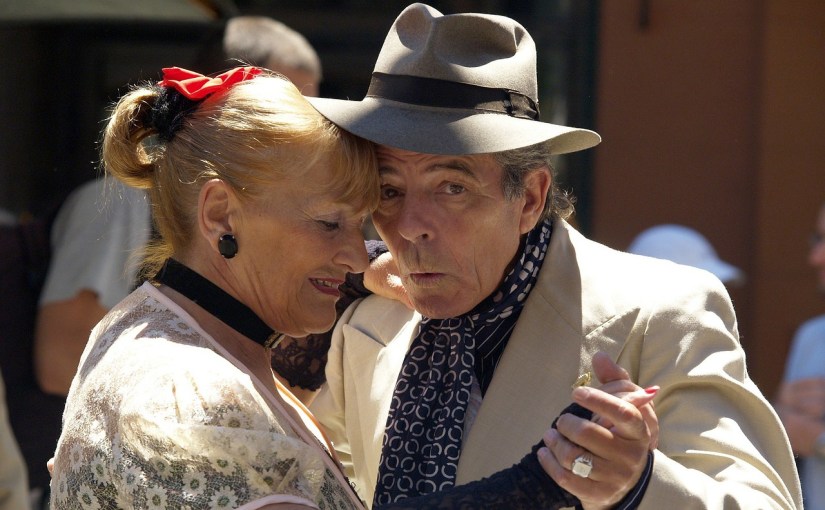
The Italians are rumored to be hedonists, driving crazy, yet according to Eurostat statistics, they are one of the longest-living nations in Europe. Many people simply explain this phenomenon with the Mediterranean diet, but I think the answer is much more complex.
The Italian “elixir of youth” in my (foreigner) eyes:
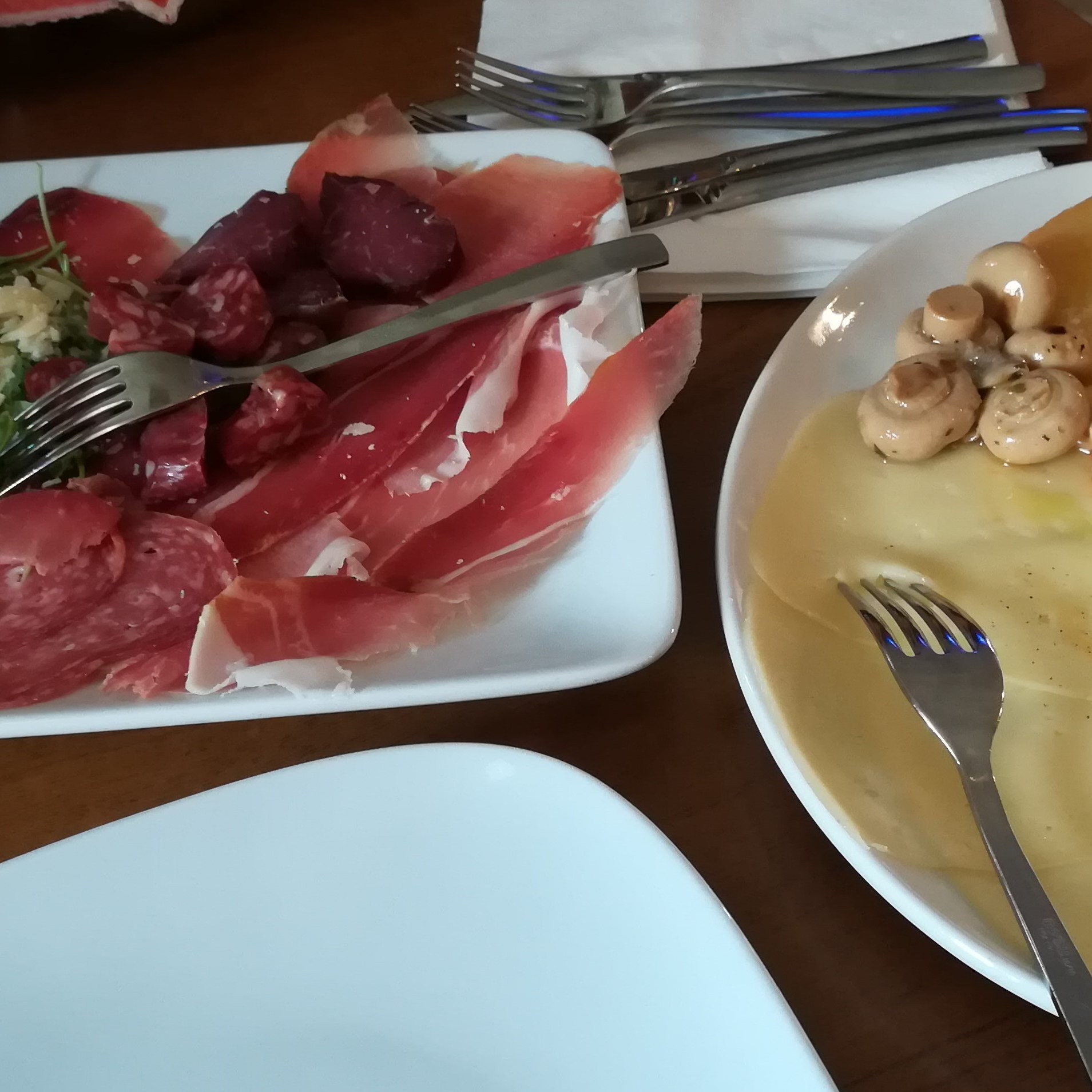
Still, I would start with the italian food and eating habits. It’s well known that the lunch and dinner time is important in the life of the italian families. They spend this time often loudly, but strictly together. Not only does this increase the feeling of family togetherness and the individual happiness of the family members, but eating at the same time each day is also good for the metabolism. During the main meals the Italians eat at least 2-3 courses, however the afternoon snack is unknown in between.
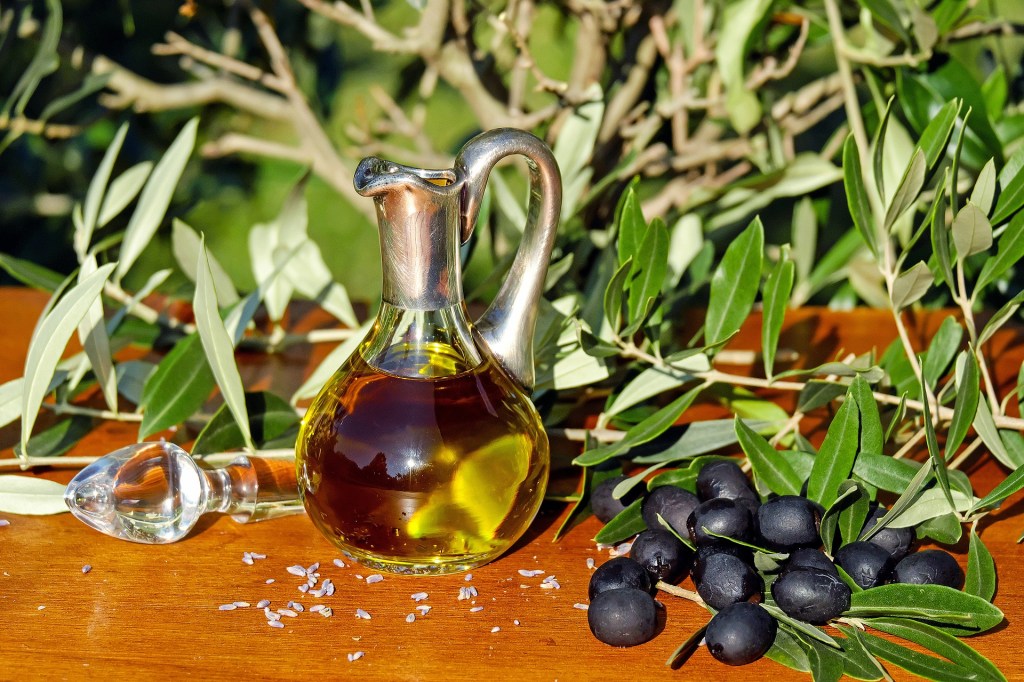
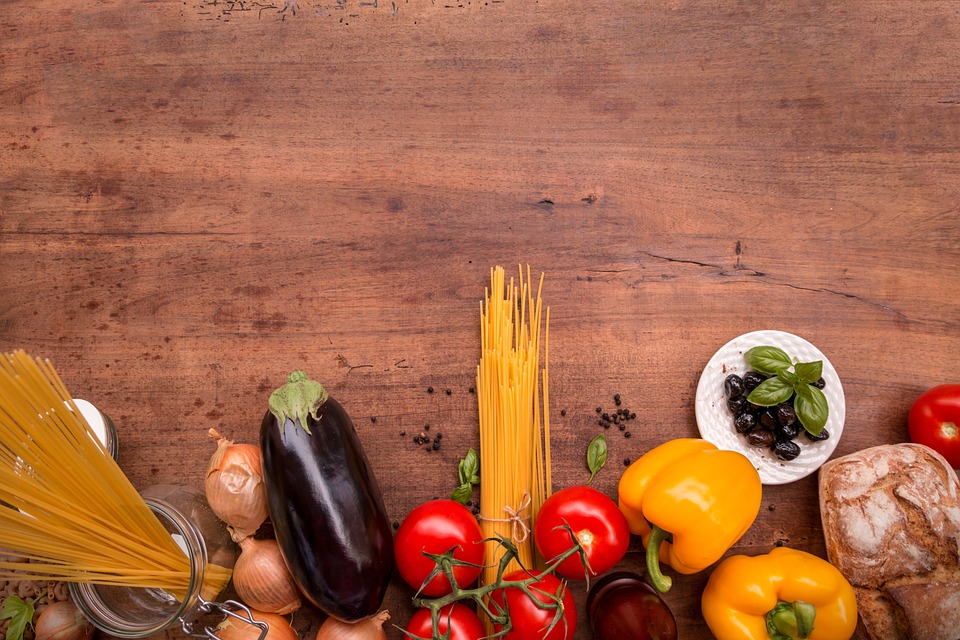
Italians traditionally prefer seasonal and local vegetables and fruits. They also buy quality from dairy products, meat and fish directly from the butcher, the grower’s cheese shop or the fish market. Even a Lidl discount doesn’t convince them to buy poor quality or unnecessary food, because in Italy it is a sin to throw away food. For every meal (but at least for dinner), they try to cook the right portion. If a small excess is left, it will be consumed at the next meal (or at the latest the next day). Nor can we find Italian housewives spending the whole day in the kitchen, because most Italian dishes, because of their simplicity, can be cooked in half an hour. Salad, or some delicious raw vegetable, comes with every meal sprinkled with homemade extra virgin olive oil and balsamic vinegar (my favorite is raw fennel). Since every (south) Italian has a relative cultivating olive trees, there is no need to queue for olive oil in the supermarket.
It’s really interesting, how the Italians are listening to their bodies. Fast food orgies are not usual here… as well we won’t catch anyone with a huge cup of capuccino after lunch, because they know that milk doesn’t help their digestion. Another good example is the sea bathing after meal. An Italian takes at least 2 hours before jumping into the water again. Italian food is calibrated to the needs of the human body. It’s not over-seasoned, 1-2 spices are used to provide the perfect combination for different ingredients. Italian housewives pay special attention to a varied diet. If they eat meat for lunch, for dinner they will serve fish or cheese. It is also important to mention that most Italians do not consume sugary soft drinks, they drink water or a glass of red wine. After a full Italian dinner, you won’t lie helpless for hours on the couch, as the food is usually light and low fat and the ingredients are combined well.
On the south, on weekdays men go home from work for lunch. Since the lunch break is 2 hours, they can enjoy an afternoon nap as well. It’s not rare, that on summer weekends the family is snoring peacefully together after the lunch.
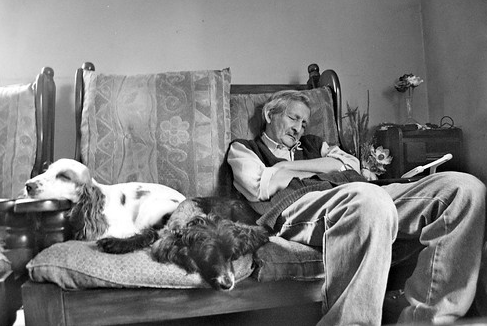
In summary we can say, that the quality way of eating and relaxing are essential for the Italians, but proper celebrations and cleanliness are equally important to them. When I met Italians at the first time, I was really surprised by their attention to order and cleanliness. Because a clean environment has a positive impact on our mental health, I believe that this also contributes to the long, balanced life of this nation.
As a final word I would like to add, that there are some Italians who rule out the pressure of time and the stress. 🙂 The time here is relative, a quarter-hour, 20-minutes of delay (quarta d’ora academico) is in most cases fully accepted. Everyone should decide for themselves whether or not they are right. 🙂
 Adventures in Italy