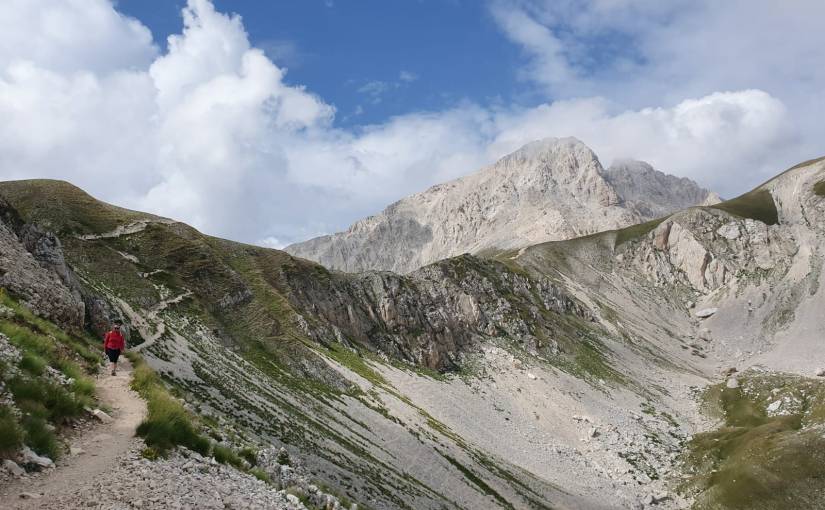
Kevesen tudják, hogy Olaszországnak ezt a kevésbé ismert részét, Abruzzo-t zöld európai régióként is emlegetik. Három nemzeti parkja (Majella Nemzeti Park, Gran Sasso – Monti della Laga Nemzeti Park és az Abruzzo, Lazio és Molise Nemzeti Park) és számos természetvédelmi területe a térségnek több, mint 36%-át teszi ki. Itt található az olasz csizmán végighúzódó Appeninek legmagasabb csúcsa, a Corno Grande (2.912 m – Gran Sasso Nemzeti Park).
Korábban már nagy vonalakban beszámoltam Abruzzo szépségeiről, most elsősorban a túrázóknak és a természet szerelmeseinek szeretnék ötleteket adni egy abruzzo-i kiruccanáshoz. Mert nincs jobb annál, amikor a nyaralást egy jó kis túrázással spékeljük meg, a tengerparti ejtőzés és templomlátogatások sűrűjében. 🙂
Rocca Calascio
Rocca Calascio, az Appeninek legmagasabban (1460 méteren) fekvő erődje L’Aquila közelében, a Gran Sasso Nemzeti Parkban. Építése a 12. századra tehető, védelmi szerepet töltött be a normann invázió után. A vár egy kb. fél órás könnyedebb mászással érhető el Calascio-ból. A fennsíkon további sétát tehetünk. A túra könnyű, akár gyerekekkel is megtehető.
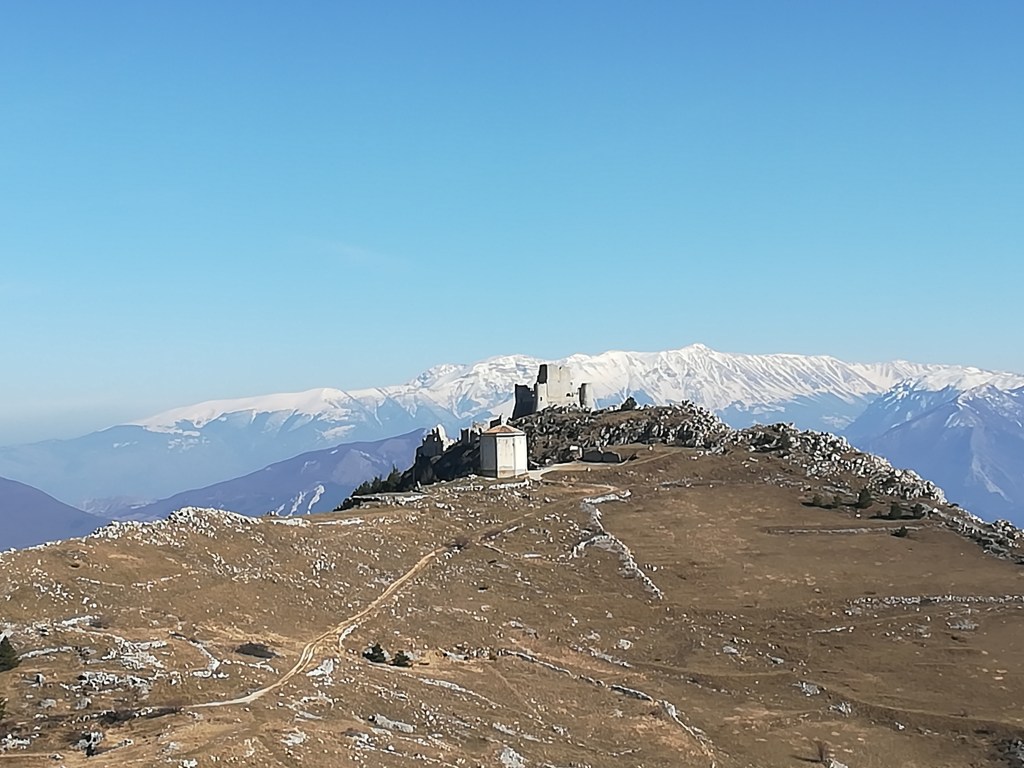
Kilátás, háttérben a Majella 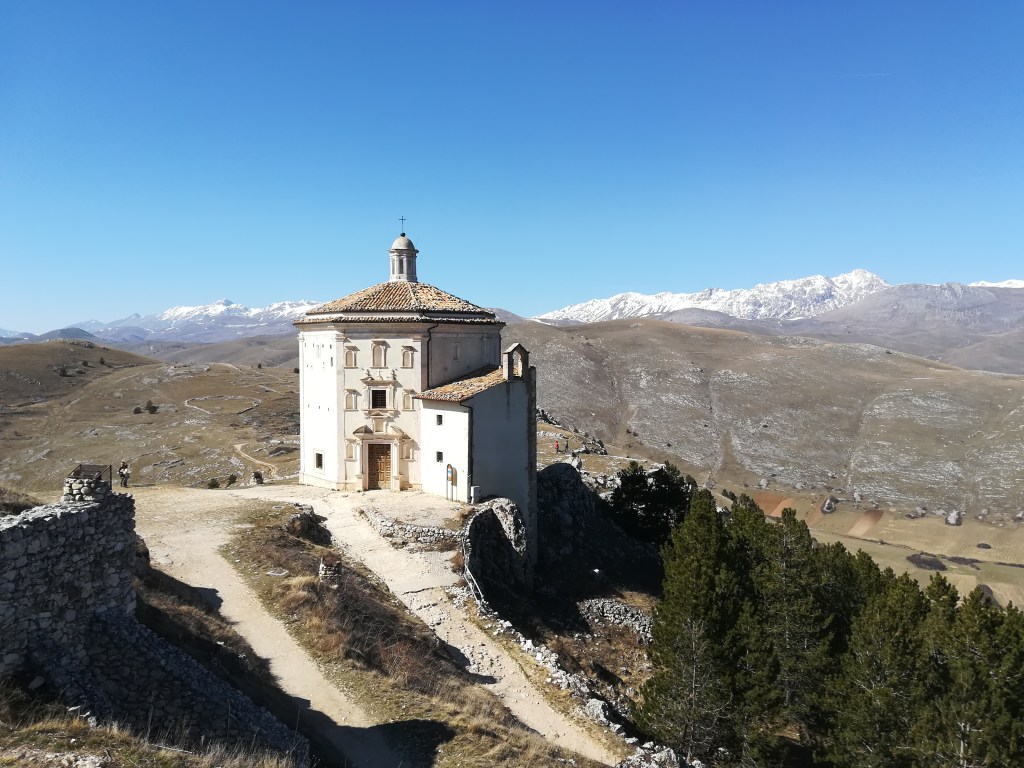
Chiesa di Santa Maria della Pietà 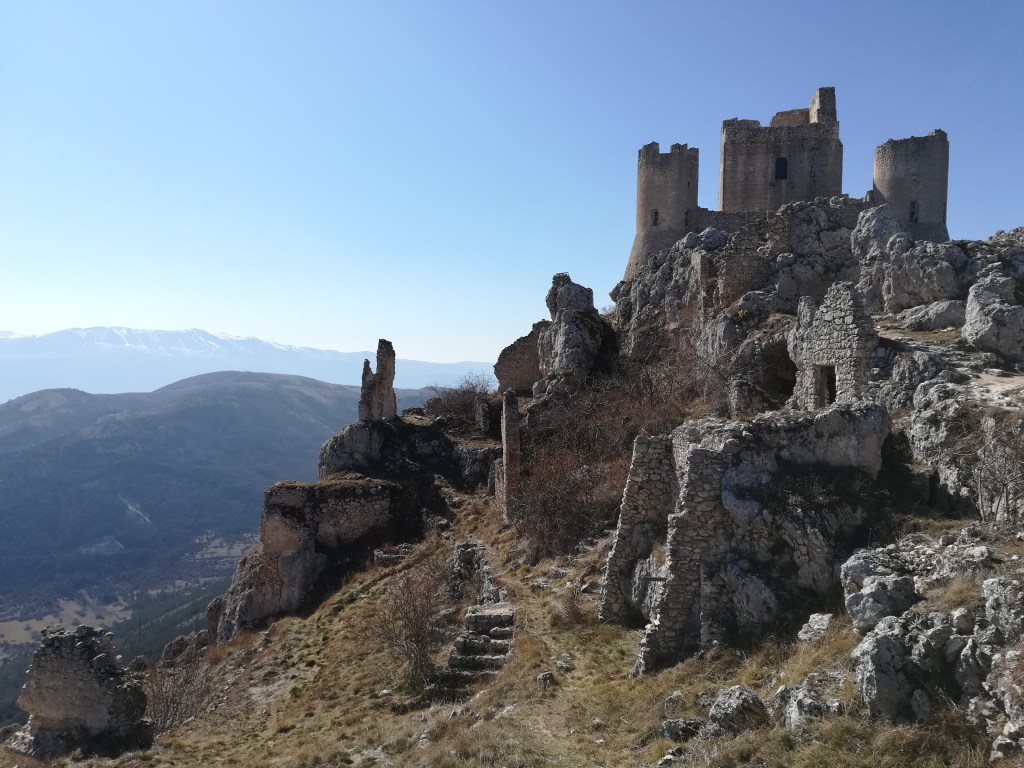
Rocca Calascio
San Giovanni vízesés
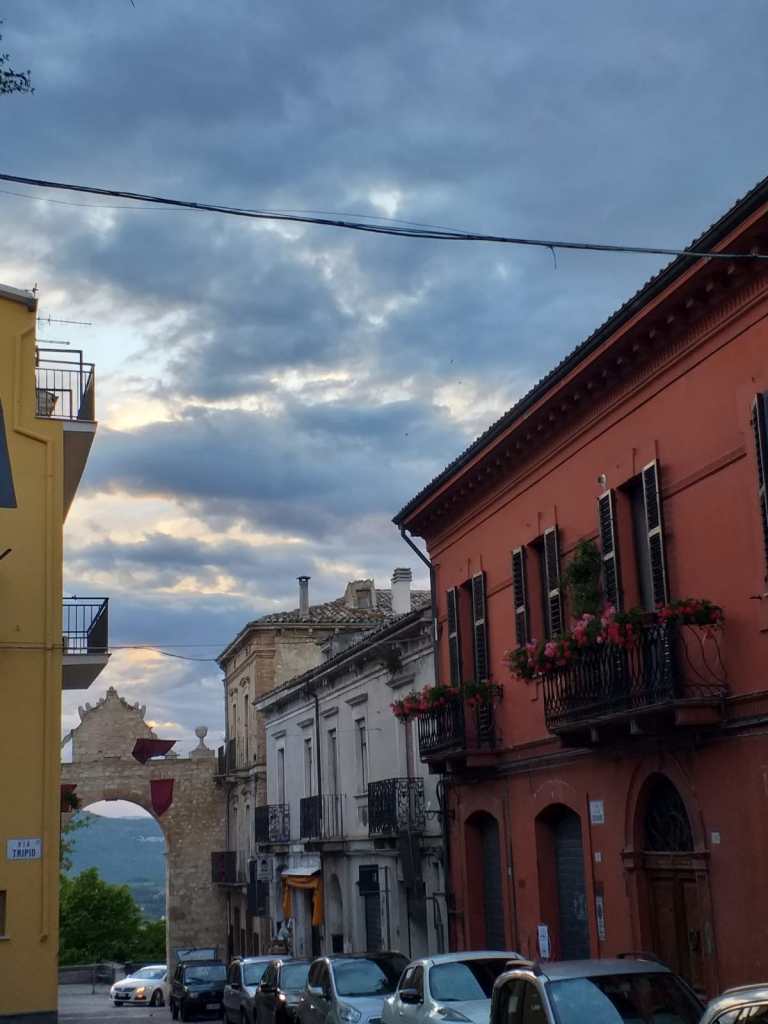
A Majella nemzeti park egyik legszebb vándorútja a kristálytiszta Vesola patak mentén a 30 méter magas San Giovanni vízeséshez vezet. A jelzett turistaút Boca de Vale-ból indul (és ide is érkezik vissza), kb. 10 km hosszú, 500 m körüli szintemelkedéssel. A patak mentén, szépséges bükkerdőben vándorolva kb. 1,5 óra után érkezünk meg úti célunkhoz. A túra a 35 méter magas vízesésnél való jóleső ejtőzést beszámítva kb. 3-4 óra alatt megtehető. Előfordulhat, hogy a túra során mezítlábas patakátkelésre lesz szükség. 🙂 A visszavezető út utolsó része meredekebb szakasz, itt nem árt az óvatosság, egyébként a túra körülbelül közepes nehézségű, átlagos kondícióval teljesíthető. A kirándulás után érdemes betérni a Bocca di Vale-tól 4 km-re fekvő, szépséges kis városba, Guardiagrele-be.
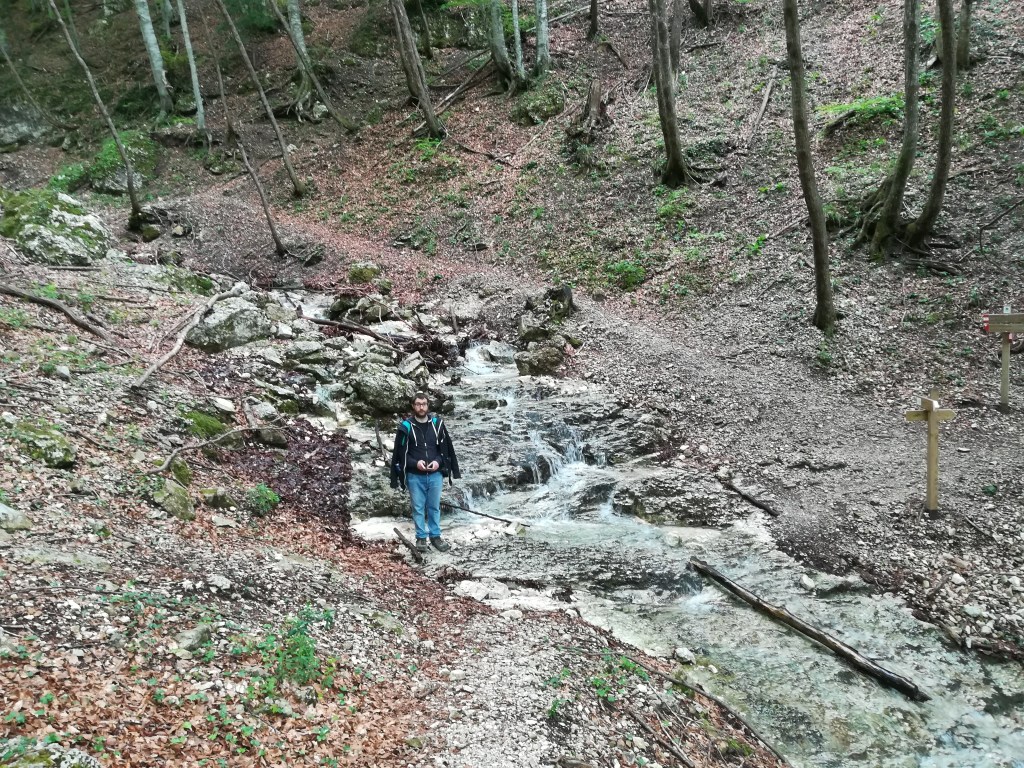
Vesola-patak 
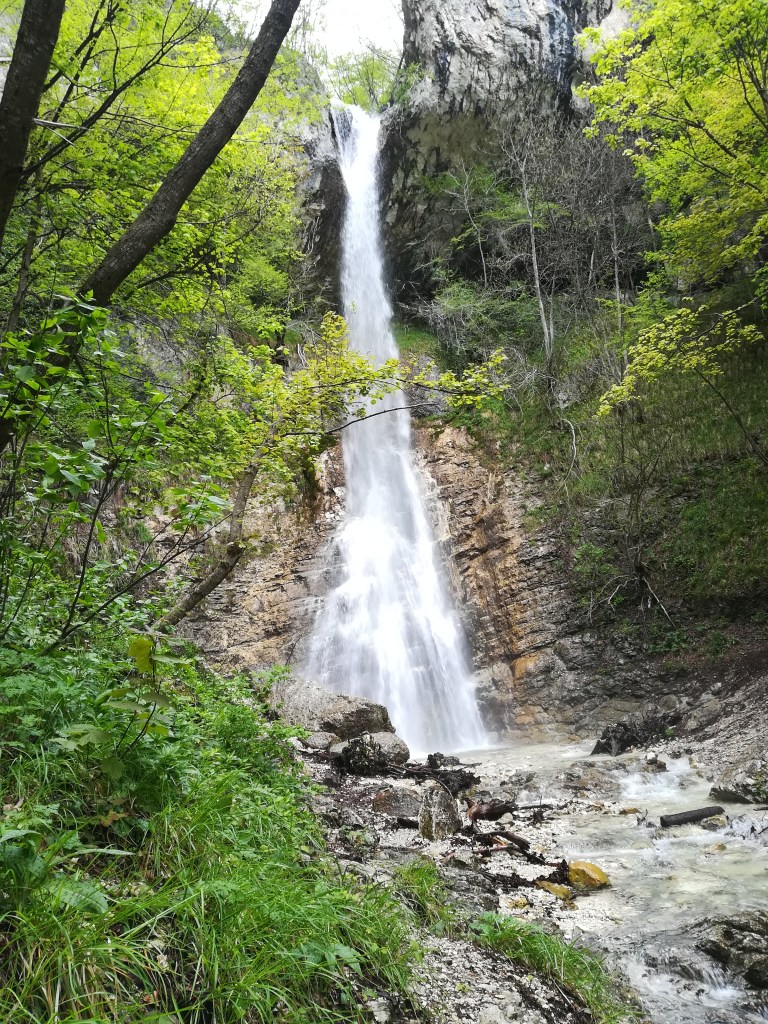
San Giovanni vízesés 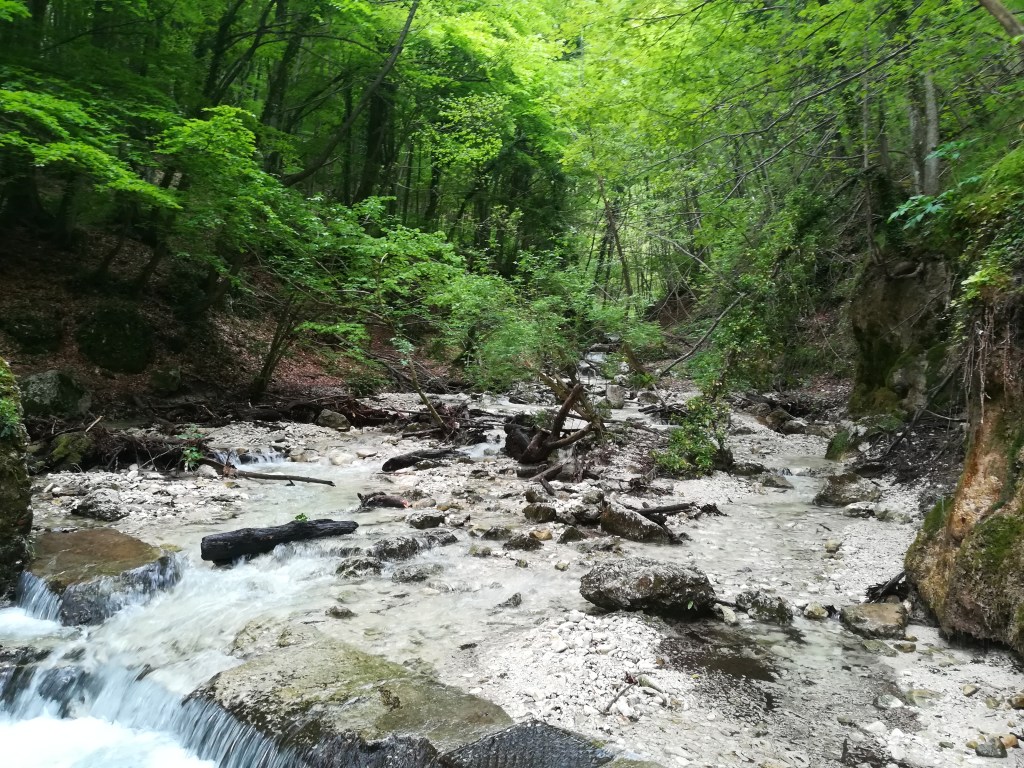
Guardiagrele
Campo Imperatore
A Gran Sasso Nemzeti Parkban található, “olasz Tibet”-ként is emlegetett Campo Imperatore fennsík nem csak csodálatos túrázóhely, de történelmi helyszín is, ugyanis Mussolini-t, a hírhedt diktátort itt tartották fogva, miután Olaszország átállt a nyugati szövetségesek oldalára a 2. világháborúban. Érdekesség még, hogy Bud Spencer és Terence Hill itt forgatta “Az ördög jobb és balkeze” western-filmjének egyes jeleneteit.
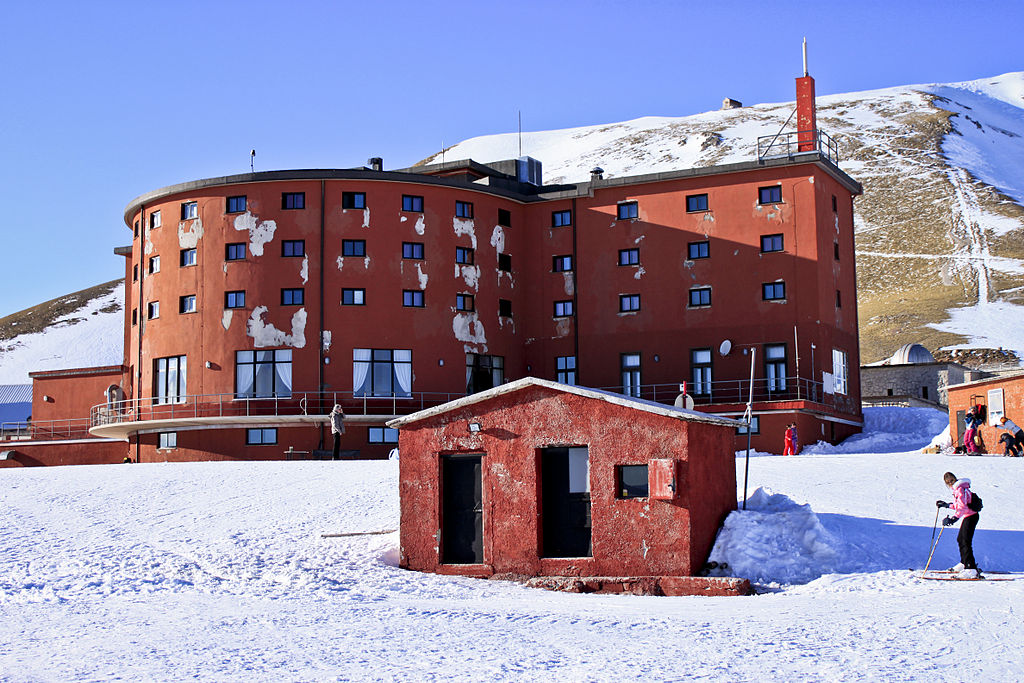
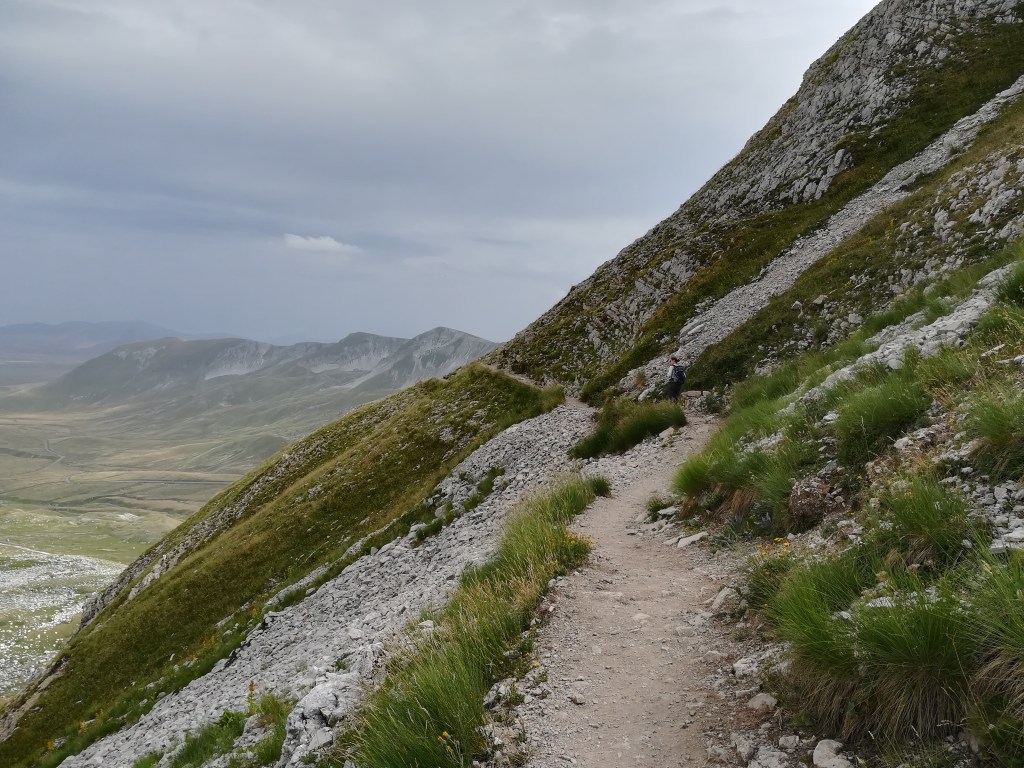
Az 1800 méteres magasságban lévő Campo Imperatore-t autóval, vagy Assergi-ból felvonóval közelíthetjük meg. Az innen induló túraútvonalak között vannak egyszerűbb, és gyakorlottabb, nem tériszonyos túrázóknak ajánlottak is, de mindegyik páratlan panorámát nyújt. Figyelem, a túrák késő tavasztól őszig ajánlottak. Választhatjuk a 7,5 km-es “L’anello di Campo Pericoli” túrát, amely 4 óra alatt, 400 méteres szintkülönbséggel átlagos kondival bejárható. Beszéljenek a képek… 🙂
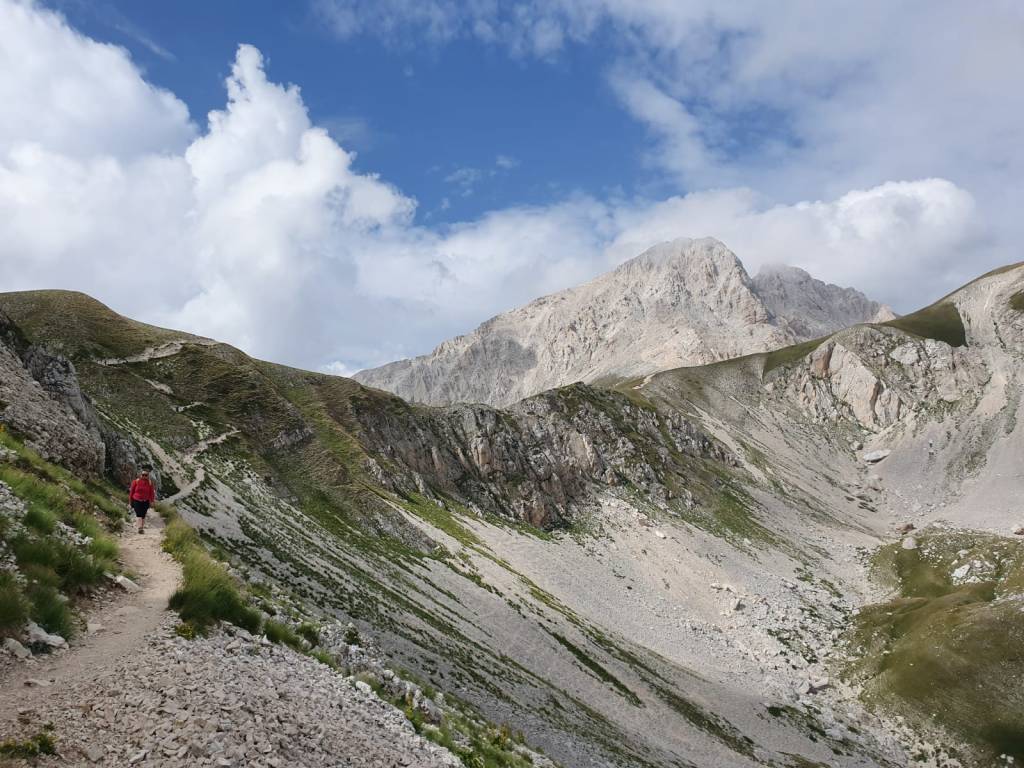
Corno Grande, az Appenninek legmagasabb csúcsa a háttérben (2.912 m) 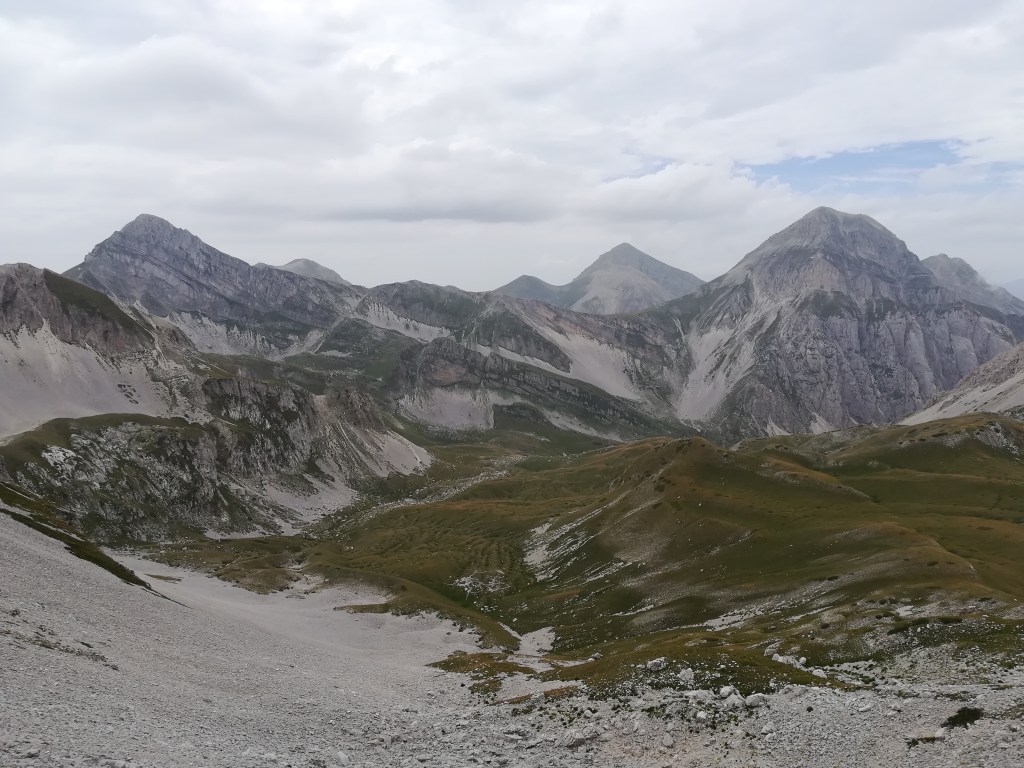
Kilátás 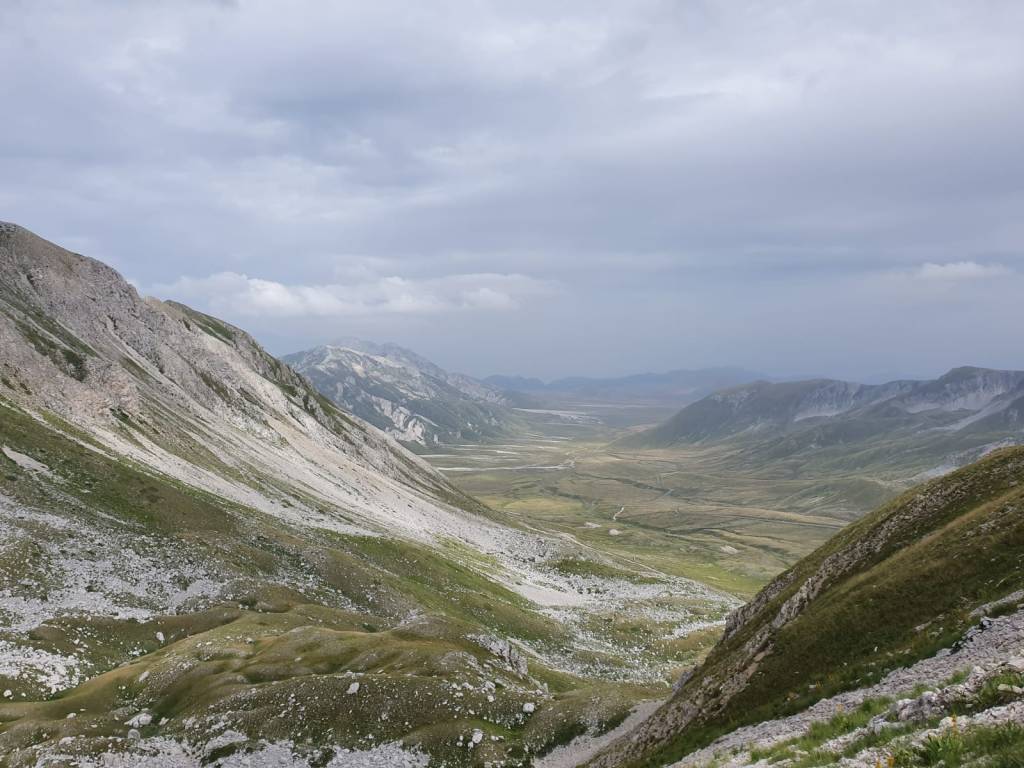
Kilátás a fennsíkra 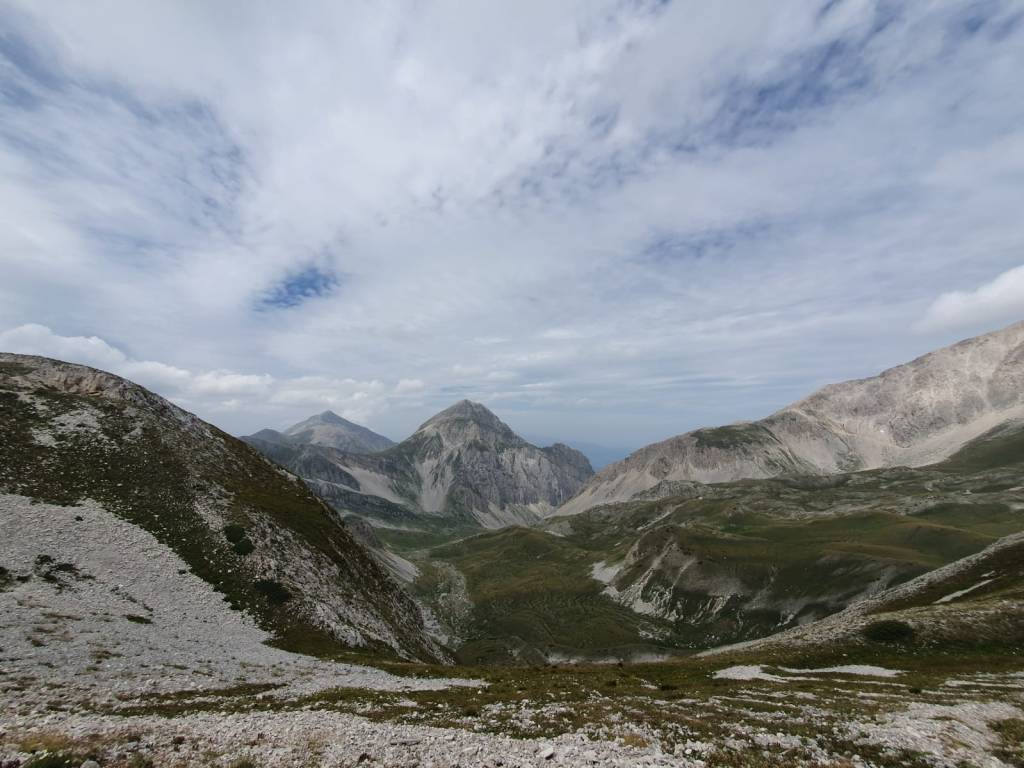
Lago di Scanno
Végül jöjjön egy szépséges, kevéssé ismert, smaragdzöld, szív alakú tó 900 méteres magasságban, amely egy földcsuszamlás következtében született 12 ezer évvel ezelőtt. A Lago di Scanno csodálatos kilátást nyújtó, átlagos kondícióval teljesíthető túraútvonalakat illetve egyéb lehetőséget (kenu, vízibicikli bérlés) nyújt az erre kirándulóknak. Érdemes még meglátogatni a 8 km-re lévő lélegzetelállító környezetben lévő, elhagyatott falut, “Frattura vecchia”-t, amit 1915-ben egy földrengés pusztított el.
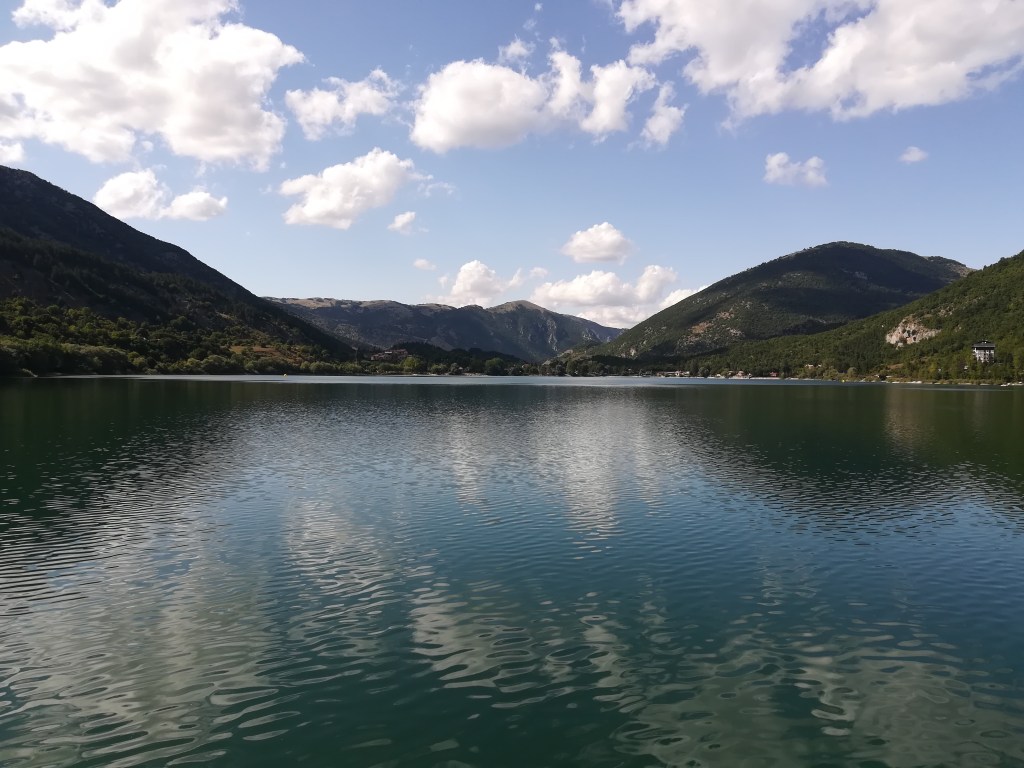
Lago di Scanno 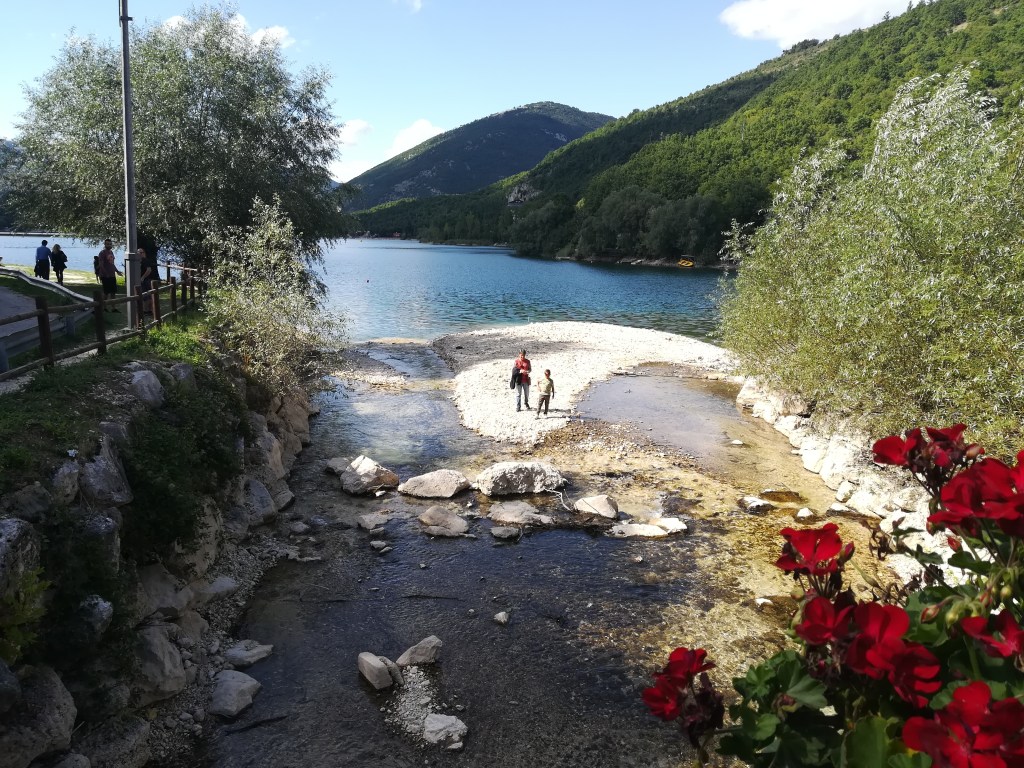
Lago di Scanno 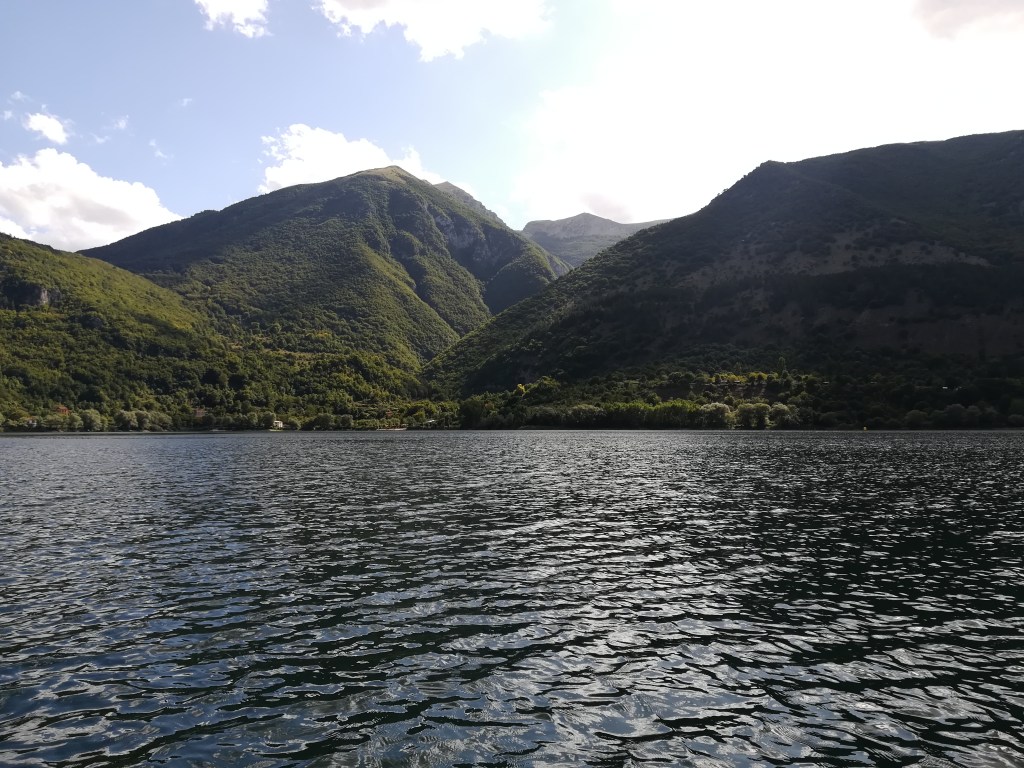
Lago di Scanno 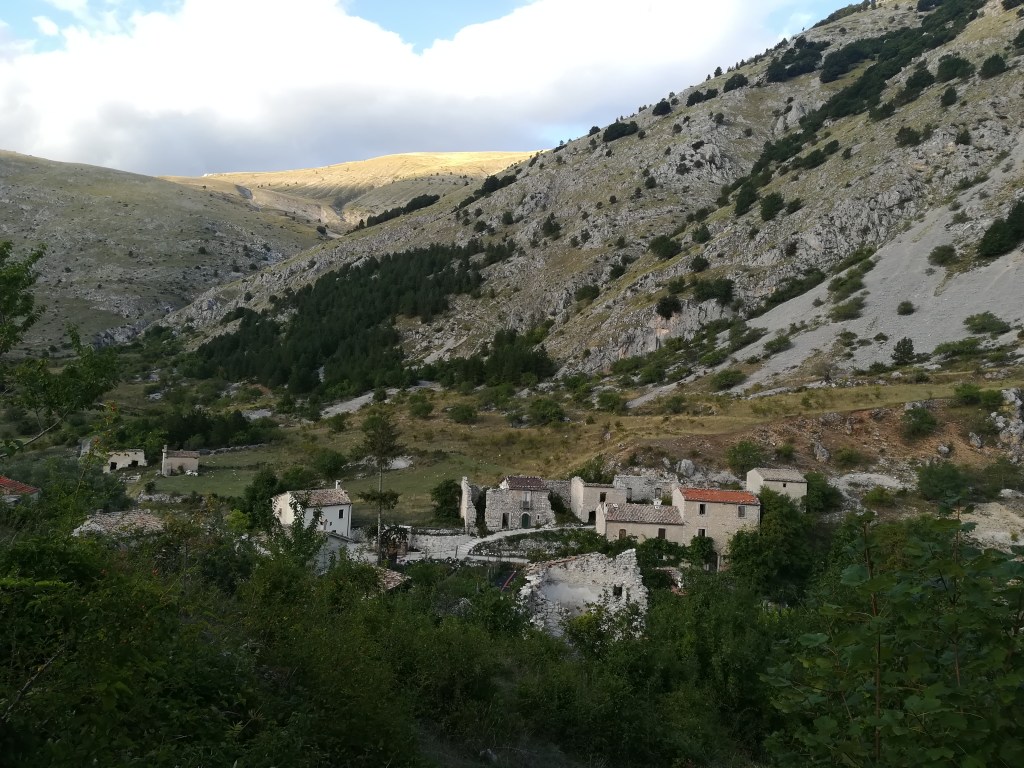
Frattura vecchia 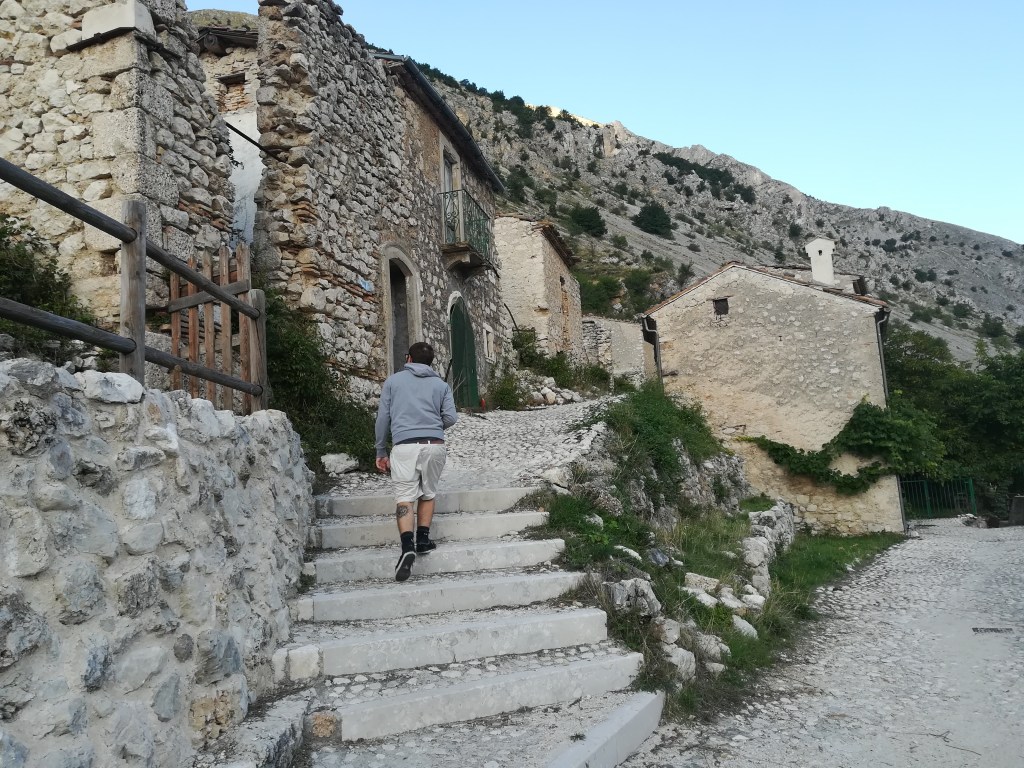
Frattura vecchia



 Adventures in Italy